
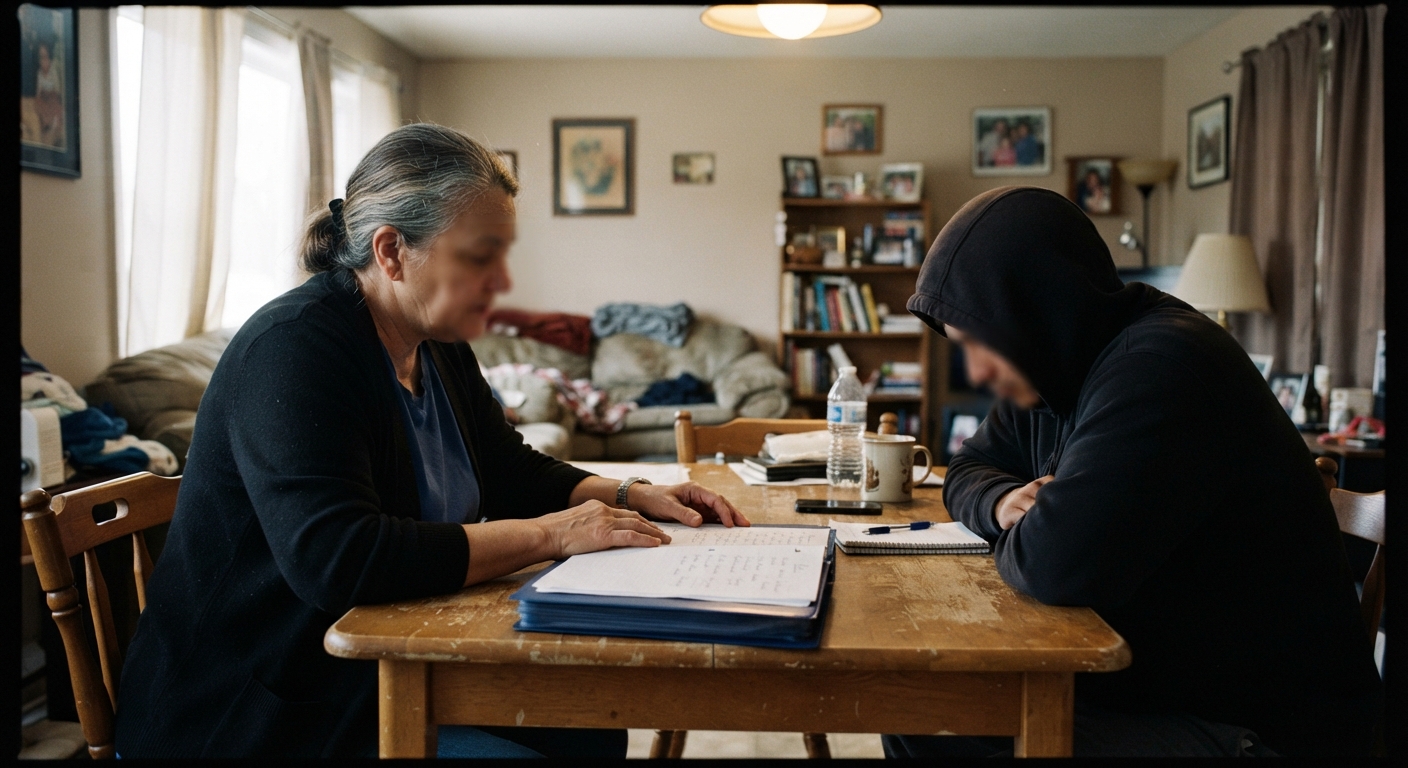
Home visits are less common than office or phone interviews, but they’re a standard part of eligibility verification for certain disability and TANF cases. If you’ve been notified that a caseworker will visit your home rather than meet you elsewhere, that’s not a sign of suspicion or a special penalty — it’s usually a procedural requirement tied to the type of benefit or the specifics of your case. Knowing why it happens, what’s actually being reviewed, and how to prepare can make the visit shorter and less stressful for everyone in the household.
Why some cases require a home visit instead of an office or phone interview
Agencies use home visits for a narrow set of reasons, and most of them have nothing to do with wrongdoing. Disability benefit programs sometimes require an in-home interview when an applicant’s condition makes travel to an office difficult, or when a caseworker needs to observe how a person manages daily activities in their own environment. TANF cases may involve a home visit when household composition is part of what’s being verified — for example, confirming who lives in the home, how many people share expenses, or whether a claimed living arrangement matches what’s on file.
Some home visits are routine and built into the program’s standard verification process. Others are triggered by something specific in your file, like a change in reported household members or a mismatch between an address on file and an address on a different document. If you’re not sure why your case was selected for a home visit, you can ask the caseworker or the office that scheduled it. You’re generally allowed to ask this directly, and getting a clear answer can help you know what to have ready.
A home visit is not automatically a red flag, and it doesn’t mean a decision has already been made. It’s one more step in the same documentation and verification process you’d go through in an office setting — just conducted in a different location.
What the caseworker is actually allowed to observe and ask about
Caseworkers conducting home visits are typically limited to the scope of the specific benefit determination — meaning they can ask about and observe things directly relevant to eligibility, such as household composition, living arrangements, income, and, for disability cases, functional ability within the home. They are not there to conduct a general inspection of your housekeeping, lifestyle, or personal choices unrelated to the eligibility criteria.
In practice, this means a caseworker may ask to see where people sleep if household composition is in question, or may observe how you move around your kitchen or bathroom if the case involves functional capacity. They may ask who else lives in the home, how bills are paid, and whether anyone contributes income or shares expenses. They are generally not permitted to search closets, go through personal belongings without your consent, or question you about matters unrelated to the benefit application.
If a caseworker asks to see or discuss something that seems outside the scope of your case, you can ask them to explain how it relates to the eligibility determination. You’re allowed to ask this calmly and directly — it’s a reasonable question, not an obstruction. If you’re ever unsure whether a request is standard, you can also ask whether it’s something you can follow up on afterward with the office rather than answering on the spot.
It’s worth remembering that the caseworker is filling out the same kind of eligibility form they would use in an office interview. The home setting changes where the conversation happens, not what’s being asked.
Documents to have laid out and visible before they arrive
Treat a home visit exactly like an office interview when it comes to paperwork: have your documents organized, complete, and easy to locate before the caseworker arrives. Scrambling to find a document mid-interview slows things down and can make the visit feel more disorganized than it needs to be.
Depending on the benefit type, useful documents to have ready typically include:
Identification for yourself and any household members being discussed; proof of current address, such as a lease, utility bill, or official mail; income documentation, including pay stubs, benefit award letters, or a written statement if you have no income; for disability cases, any medical documentation, treatment records, or provider statements that have already been submitted or that support your functional limitations; for TANF cases, documentation related to household composition, such as a lease listing all occupants, or a statement explaining living arrangements if the lease doesn’t reflect everyone in the home.
Lay these out in a folder or on a table in the room where the interview will take place, organized in a way that makes sense to you — by person, by document type, or by date. You don’t need to memorize where everything is, but you should be able to find it within a few seconds when asked. If you’re missing a document, it’s better to say so plainly and ask what the alternative verification options are, rather than delaying the visit while searching.
It also helps to write down, ahead of time, a short list of any changes you need to report — a new job, a change in household members, a new address for someone previously listed — so you don’t forget to mention something during the conversation.
Who else in the household may need to be present
Depending on the type of case, the caseworker may need to speak with other adults in the household, not just you. This is common in TANF cases where household composition and shared income are part of what’s being verified. If another adult in the home contributes to expenses, receives income, or is otherwise part of the household unit being evaluated, they may be asked to answer questions directly or confirm information you’ve provided.
If the visit notice specifies that another household member needs to be present, treat that as a firm scheduling requirement, not a suggestion. If that person’s schedule conflicts with the appointment time, contact the office as soon as possible to ask about rescheduling rather than waiting until the day of the visit.
Children in the household generally do not need to be presented for questioning, though a caseworker may ask general questions about who lives in the home and their ages as part of confirming household composition. If you have concerns about a specific person being present — for reasons of safety, custody arrangements, or personal circumstances — raise that with the office in advance so they can advise you on how to handle it.
What happens if you’re not home when they arrive
Missing a scheduled home visit is generally treated the same way as missing an office interview: it can result in a delay or denial of your application, or a proposed termination of ongoing benefits, if you don’t take action afterward. Most agencies will document the missed visit and send a notice, but the timeline for responding is usually short, so it’s important to act quickly once you realize the visit was missed.
If you know in advance that you won’t be available — because of a work conflict, medical appointment, or transportation issue — contact the office before the scheduled time to request rescheduling. Do this as early as possible; last-minute cancellations are harder to accommodate and may still count against you depending on the program’s rules.
If you missed the visit without prior notice, contact the office as soon as you can, explain what happened, and ask how to reschedule. Get the name of whoever you speak with and a reference number or note of the conversation if one is offered. Follow up in writing if you’re able to — even a short message confirming that you called and what was discussed can help if there’s a dispute later about whether you responded in time.
If you receive a denial or termination notice because a home visit was missed, check the notice for the deadline to request reconsideration or an appeal. That deadline is usually short and firm, so don’t wait to see whether the situation resolves itself.
How to request an alternative if a home visit isn’t safe or possible
Home visits aren’t the only option in every case, and you’re generally allowed to ask for an alternative if one is needed. Common reasons include safety concerns, such as an unsafe living situation or ongoing housing instability; lack of stable housing altogether; or a household situation where a home visit would create risk for you or someone else in the home.
If you need an alternative, contact the office handling your case as soon as you’re notified of the scheduled visit — don’t wait until the appointment date. Explain your concern clearly and ask what alternatives are available. Depending on the program, this might mean conducting the interview by phone, meeting at the office instead, meeting at a neutral third-party location, or having a different caseworker assigned.
Put your request in writing if possible, even if you’ve also called. A short note or email describing the concern and asking for an alternative interview format creates a record that you raised the issue, which can matter if there’s a later dispute about why a home visit didn’t happen. Keep a copy of whatever you send and note the date.
If the office denies your request for an alternative and you still believe a home visit isn’t safe or feasible, ask what your options are for appealing that specific decision, separate from the underlying benefit determination. You have a right to raise safety and access concerns, and asking the question directly is the first step toward getting a workable solution.